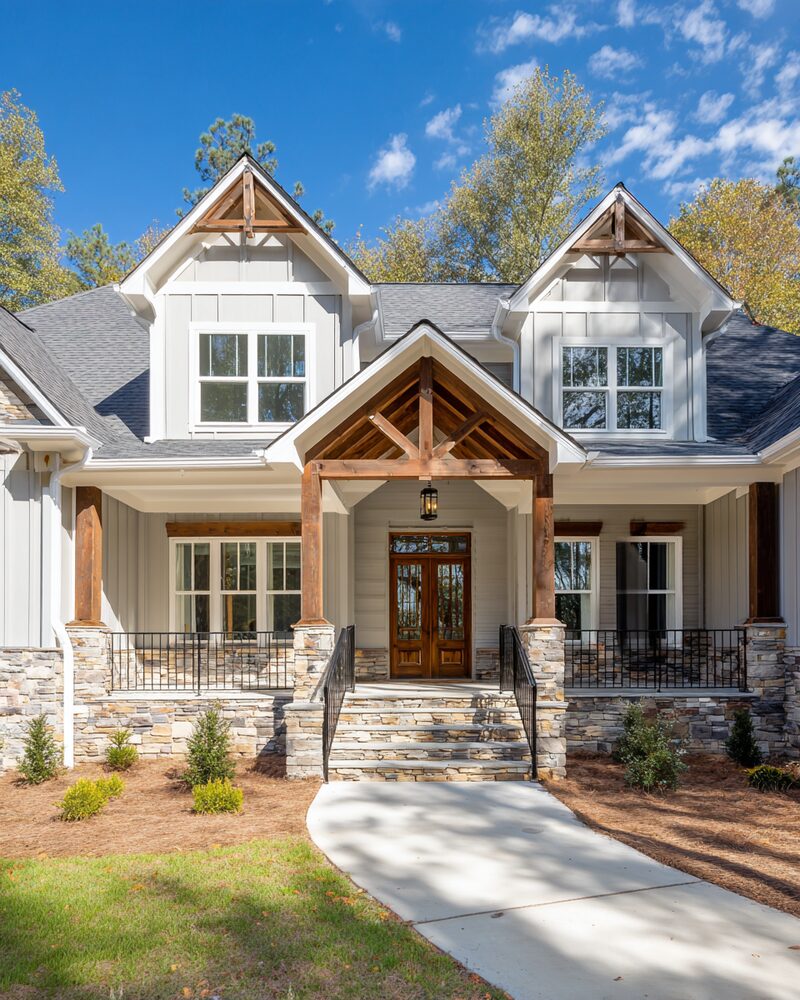
Atlanta's real estate market has been reshaping how buyers and sellers define value. What once was a simple formula of square footage plus location now includes commute patterns, lifestyle amenities, and long-term upkeep costs. Whether you are searching for homes for sale in Atlanta or preparing to sell, understanding these local shifts will help you make smarter decisions that hold up over time.
Local patterns that matter: price drivers, not trends
Several persistent factors are driving value across Atlanta neighborhoods. Proximity to transit and walkable entertainment districts still boosts appeal in places like Midtown, Old Fourth Ward, and Virginia-Highland. Suburban pockets with top-rated schools and easy highway access remain competitive for families. Investors and remote workers are increasingly focused on properties that combine flexible space with lower ongoing maintenance costs. For sellers, emphasizing these long-term benefits in listings helps property offers stand out to quality buyers, and for buyers, prioritizing these elements can protect equity over the years.
What sellers should prioritize now
First impressions and accurate pricing are crucial. Staged, decluttered homes that show natural light and functional living spaces often spend less time on the market and attract stronger offers. Consider modest, high-ROI updates: fresh paint, professionally cleaned flooring, updated lighting, and well-kept landscaping. Price your home based on recent comparable sales in your exact neighborhood rather than broad city averages. Overpricing leads to stagnation; strategic pricing can generate multiple offers when demand is present.
What buyers should do to win the right home
Get pre-approved and decide which concessions you are willing or unwilling to make before you start touring. In a competitive neighborhood, strong offers that respect market value and include reasonable timelines for inspections often win. However, do not waive essential protections: a thorough home inspection and clear contingencies protect you from costly surprises. When evaluating older homes common in Inman Park or Grant Park, budget for typical upgrades such as HVAC, wiring, and foundation work.
Neighborhood-specific considerations that show up in valuations
- BeltLine corridors and areas near planned development tend to command a premium because of walkability and long-term appreciation potential.
- Buckhead and Midtown remain strong for luxury inventory and resale value tied to employment centers and cultural amenities.
- Eastside and Decatur attract buyers seeking community-oriented neighborhoods with independent retail and strong school options.
How interest rates and inventory shape choices
Interest rates influence buying power and affordability. When rates rise, buyers may tighten budgets or look longer for value in up-and-coming neighborhoods. Sellers can still get top dollar with the right presentation and pricing, but timing and flexibility on closing windows can matter more. Inventory fluctuations mean both buyers and sellers should work with someone who tracks local MLS activity and daily shifts in market demand.
Practical checklist for sellers and buyers
Sellers: determine a realistic asking price, complete quick cosmetic fixes, stage your home, and choose an agent who markets actively across digital channels.
Buyers: obtain pre-approval, build a competitive but realistic offer, hire a local inspector, and analyze neighborhood comps and long-term maintenance costs.
How to work with a local expert
A local agent who knows Atlanta's micro-mark
