Today's Atlanta real estate market rewards specific home features that signal low future maintenance, adaptability to lifestyle change, and strong neighborhood desirability. Whether you are planning to buy a home in Atlanta or preparing to sell, focusing on these resale proof attributes will help your decision stand up to changing buyer tastes and shifting market cycles.
Market context matters for long term value. Inventory levels, interest rate sentiment, and where new jobs and transit investments land determine which features buyers prize most. In Atlanta, micro markets move differently—what adds value in a BeltLine-adjacent neighborhood may not be as powerful in a suburban intown pocket. This guide explains the features that tend to hold value across the city and how buyers and sellers can act on them now.
What resale proof means in Atlanta
Resale proof features are practical, broadly appealing upgrades or characteristics that reduce friction for future buyers. They save money, support flexible living, or tie a property to desirable neighborhood amenities. These are not fleeting design trends; they are fundamentals that buyers across price ranges look for when choosing Atlanta homes for sale.
Core resale proof home features buyers pay more for
1. Single level or primary suite on the main: Multigenerational and aging-in-place preferences make single-level living or a main-level primary bedroom highly desirable across price points.
2. Functional home office or flexible room: A clearly defined, well-lit workspace with good wiring and sound separation adds measurable appeal for remote and hybrid workers.
3. Updated kitchen with durable finishes: Modern layouts, energy-efficient appliances, and timeless countertops and cabinetry attract buyers and reduce the need for immediate renovation.
4. Energy efficiency and modern systems: A recently serviced HVAC, new roof, quality windows, and documented insulation improvements sell confidence—and can justify a higher price.
5. Smart home basics done right: Programmable thermostats, secure locks, and integrated lighting increase perceived value when professionally installed and easy to use.
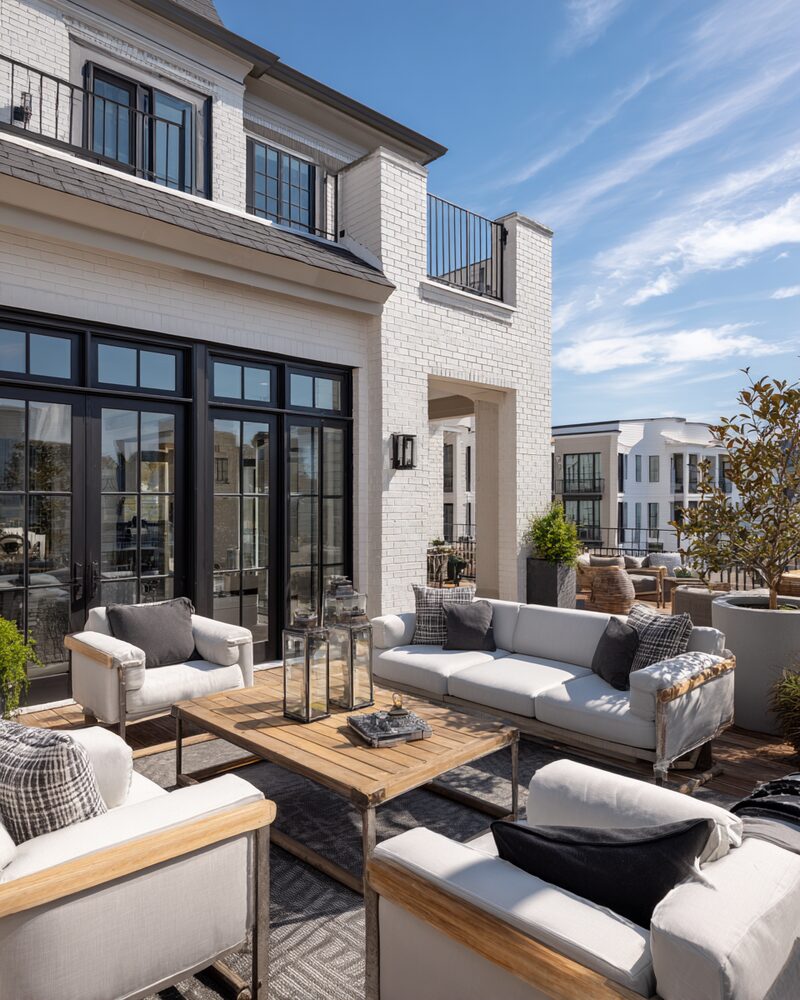
6. Outdoor living and usable yard: Decks, patios, privacy screening, and low-maintenance landscaping are highly prioritized in Atlanta's climate and lifestyle culture.
7. Off street parking and garage space: In intown and walkable neighborhoods, secure off-street parking remains a standout feature for many buyers.
8. Hardwood or easily maintainable flooring: Clean, durable flooring reduces buyer objections and staging costs in showings and marketing materials.
9. Updated bathrooms with neutral styling: Functional fixtures, good lighting, and classic tile choices avoid dating a home quickly.
10. Solid storage and closet solutions: Practical storage makes everyday life easier and often influences the buyers emotional response more than a flashy remodel.
Neighborhood and micro market features that matter long term
- Proximity to transit and major employment nodes increases demand over time; even small improvements in commute time can change buyer pool composition.
- Walkability to restaurants, parks, and neighborhood shops consistently supports higher per-square-foot values.
- School quality and school choice options remain top considerations for many Atlanta buyers and often drive bidding dynamics in family-oriented areas.
- Development patterns such as new mixed-use projects, public infrastructure, and planned greenways can create growth corridors—pay attention to city planning notices and local rezonings.
Action steps for sellers preparing a resale proof listing
- Prioritize repairs that remove buyer uncertainty: roof, HVAC, drainage, and visible structural issues.
- Invest in cost-effective staging and decluttering to highlight flexible spaces like home offices and outdoor areas.
- Make targeted upgrades that appeal to the local buyer pool—consult a local agent who knows which features close deals in your neighborhood.
- Use professional photography, floor plans, and virtual tours to show how spaces function; online presentation drives initial buyer interest in Atlanta markets.
Action steps for buyers seeking a future-proof purchase
- Look beyond finishes to systems and layout: a modest cosmetic redo is cheaper than replacing major mechanicals or moving because a home lacks a main-level bedroom.
- Do neighborhood homework: check planned projects, school boundaries, commute times to your workplace, and resale comps within a 1 mile radius.
- Factor renovation timeline and budget into your offer so you can compare homes objectively on total cost to make them yours.
Checklist you can use today before you buy or sell in Atlanta
- Confirm roof age and recent repairs.
- Verify HVAC, water heater, and electrical panel condition.
- Check for water intrusion, drainage grading, and crawlspace condition.
- Evaluate outdoor space usability and privacy.
- Assess proximity to transit, schools, parks, and major employment corridors.
- Estimate cost and timeline for any desired improvements.
Why local expertise still wins
General real estate rules help, but Atlanta is a city of micro markets. Streets, blocks, nearby developments, and school assignments can shift value dramatically. That makes working with a team that actively monitors local trends crucial when you decide to buy or sell.
If you want a quick, neighborhood-specific assessment based on what buyers are paying for right now in Atlanta, call The Rains Team at
All information found in this blog post is deemed reliable but not guaranteed. Real estate listing data is provided by the listing agent of the property and is not controlled by the owner or developer of this website. Any information found here should be cross referenced with the multiple listing service, local county and state organizations.
