Buying or selling a home in Atlanta today means balancing short term market moves with long term neighborhood signals. Whether you are a first time buyer chasing intown convenience or a seller aiming to maximize resale value across Fulton, DeKalb, or Cobb edges, this checklist helps you weigh the tradeoffs that actually matter. Use it to make decisions that hold up in any market cycle and attract search traffic when people look for practical Atlanta real estate advice online.
Start with the real priorities Buyers and sellers often list the same wish items: good schools, short commute, solid resale, and affordable maintenance. The tradeoff is rarely about finding perfection; it is about choosing which compromise you will live with for years. For buyers that might mean a slightly longer commute in exchange for lower property taxes. For sellers, it can mean investing in curb appeal before listing to shorten days on market and boost offers. Clearly naming your priorities gives you a repeatable decision framework.
Analyze local market context Price matters, but so does why price is where it is. Look beyond a single comparable sale to patterns on a block: are properties selling above list price? Are sales trending faster or slower than the broader Atlanta market? Is a new transit line, mixed use development, or zoning change coming within the next three to five years? Those local catalysts are what turn a fair price into a great long term investment. Use multiple data points: recent sales, pending listings, and time on market for similar homes in your exact neighborhood—not just the ZIP code.
Checklist item 1 Know your timeline Are you buying for two years or twenty? Short time horizons favor low-maintenance homes near amenities or easily rentable properties. Longer horizons let you accept cosmetic fixer-uppers with strong upside near infrastructure projects or school improvements. Write your time horizon at the top of every decision sheet to keep choices consistent.
Checklist item 2 Prioritize block-level features Small differences between blocks within the same neighborhood can make a big financial difference. Pay attention to sidewalk continuity, tree canopy, proximity to parks, noise from major corridors, and future infill projects. These microfeatures influence resale and daily life more than flashy interiors. For sellers, highlighting a quiet block or direct park access in your listing copy can attract buyers faster.
Checklist item 3 Evaluate true commute and routine tests The commute time on paper rarely equals the lived commute. Drive or transit-test your likely routes in morning and evening rush hours. For buyers, run a lunch-hour test: walk to a coffee shop, grocery, or nearby amenity at midday to see if the neighborhood rhythm fits you. For sellers, provide clear commuting data and transit proximity in your listing to reach buyers prioritizing convenience.
Checklist item 4 Inspect for durable systems not just cosmetics Buyers should prioritize roof age, HVAC, foundation signs, drainage and flood risk, and electrical capacity before falling in love with paint and fixtures. Sellers get higher, faster offers when these durable items are addressed or documented. A pre-list inspection can remove buyer skepticism and reduce negotiation friction.
Checklist item 5 Know local costs beyond mortgage Property taxes, HOA dues, stormwater fees, and insurance (especially flood and wind coverage) change total housing cost. Many Atlanta buyers are surprised by variable county assessments, municipal fees, and insurance premiums between close neighborhoods. Factor those costs into affordability and pricing strategies.
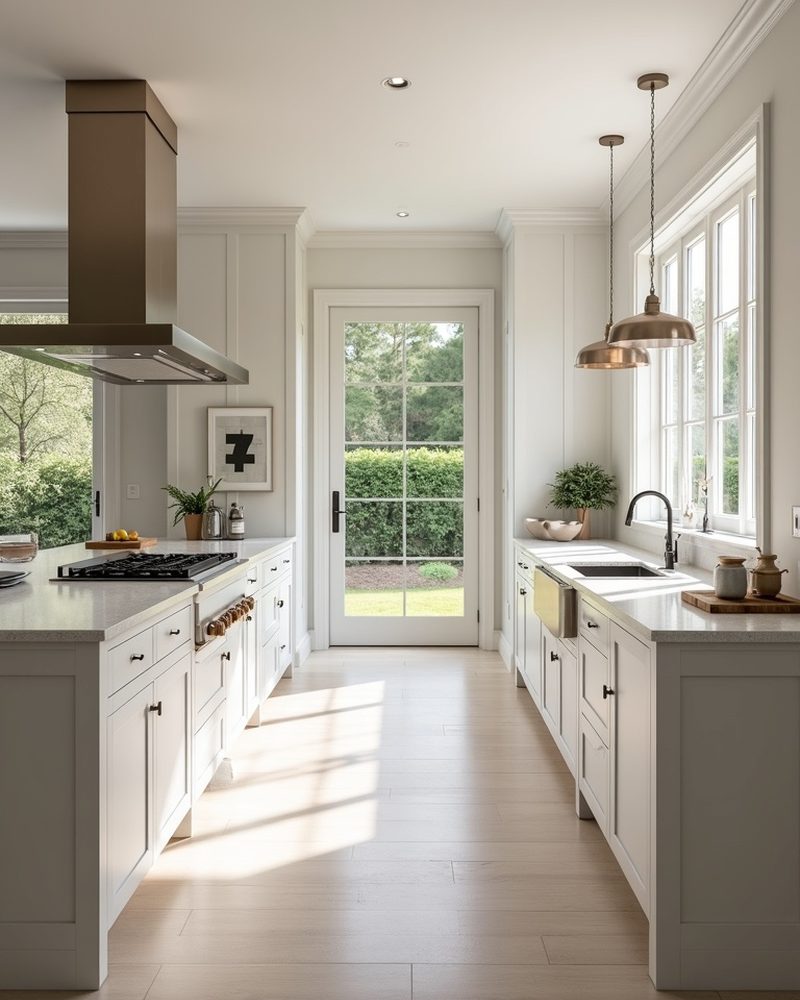
Checklist item 6 Create a resale-friendly improvement plan Not every renovation adds equal value. Focus on three effective categories: kitchens and baths with durable finishes, exterior and curb appeal improvements, and fixes that eliminate buyer objections (roof, systems, permit-compliant work). Keep documentation of permits and warranties. Sellers who present a prioritized improvement list can justify a higher asking price with confidence.
Checklist item 7 Use timing and listing strategy smartly Listing during high-search periods matters, but so does presentation. Great photography, accurate floor plans, virtual tours, and clear neighborhood descriptions boost search visibility and buyer engagement. For buyers, being pre-approved and ready to act with a tailored offer increases chances in competitive Atlanta pockets.
Checklist item 8 Consider future-proof factors Energy efficiency, walkability, transit access, and adaptability (space for remote work or rental potential) will influence your home’s desirability over time
