The Atlanta real estate market rewards targeted improvements more than sweeping makeovers. Whether you plan to sell in the next year or hold for a decade, knowing which renovations actually move the needle in specific Atlanta neighborhoods separates wasted budgets from smart investments. This guide explains practical, SEO-focused renovation choices for Atlanta buyers and sellers so you can make decisions that attract offers and protect long-term value.
Why local context matters in Atlanta renovation ROI
Not all upgrades translate to higher offers across the city. Intown areas with historic stock, such as Virginia Highland or Inman Park, require preservation-minded updates—period-appropriate kitchens, repaired hardwood floors, and restored porches—while fast-growing suburbs value additional living space, modern systems, and energy efficiency. Understanding neighborhood expectations reduces over-improvement and positions homes to compete for buyer demand.
High impact, lower cost updates that appeal to Atlanta buyers
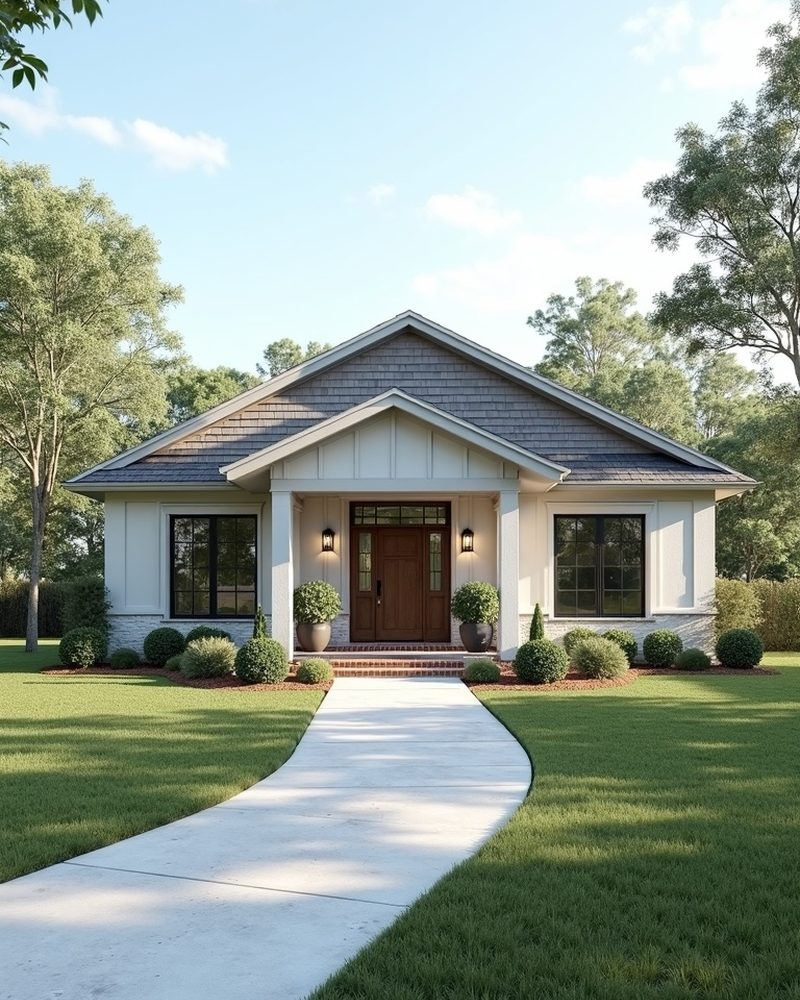
Small, well-executed projects often yield the best returns. These include fresh paint in neutral tones, refinished hardwood floors, updated lighting, modern hardware, and professional landscaping to boost curb appeal. For many Atlanta buyers, first impressions matter—especially within 30 minutes of the city center where walkability and curb presence drive showings.
Kitchens that sell: what to prioritize in Atlanta
A full gourmet remodel is not always necessary. Focus on function and appearance: new cabinet fronts or paint, durable countertops such as quartz, energy-efficient appliances, and thoughtful storage. In neighborhoods with older homes, retain character while improving workflow. In higher-priced intown listings, consider open sightlines into a connected living area—buyers often pay for modern flow and entertaining space.
Bathrooms with smart upgrades
Bathroom updates consistently return value. Consider replacing dated vanities, adding tile surrounds, improving ventilation, and installing low-flow fixtures. In compact Atlanta homes, creative storage and bright, durable finishes make small bathrooms feel luxurious without a major expansion.
Outdoor living and landscaping are essential in Atlanta
Atlanta buyers love usable outdoor space. Adding or restoring porches, decks, screened patios, and low-maintenance landscaping increases living area perception and buyer interest. Native plants and well-planned irrigation systems reduce upkeep concerns and appeal to buyers looking for immediate enjoyment rather than long renovation projects.
Systems and structural work that protect value
Sellers should prioritize repairs buyers will discover during inspection: roof condition, HVAC, water heaters, electrical panels, and drainage issues. Replacing or certifying these systems removes negotiation hurdles and can shorten days on market. Buyers benefit from knowing these items are addressed when comparing homes across Atlanta neighborhoods.
Energy efficiency and climate resilience that matter locally
In Atlanta's warm climate, efficient HVAC, upgraded insulation in attics, and double-pane windows improve comfort and lower utility costs—features buyers increasingly expect. These upgrades support long-term value, especially as buyers weigh ongoing energy costs.
Room conversions and additions to match buyer demand
The best additions reflect neighborhood trends. Close-in intown buyers value flexible rooms for home office or guest suites, while families in Atlanta suburbs prioritize extra bedrooms or finished basements. Before investing in an addition, confirm zoning, permitting, and neighborhood comps to ensure the added square footage is marketable.
Staging and photography amplify renovation returns
Even modest updates require professional presentation. Staging highlights new features and helps online photos convert into showings—critical in Atlanta where many buyers begin searches online. Invest in high-quality listing photos and a staging plan that reinforces the home's strongest selling points.
Budget frameworks and expected timelines
Set realistic budgets tied to neighborhood comps. Cosmetic refreshes often cost a few thousand dollars and can be completed in weeks. Mid-range kitchen or bathroom remodels typically run tens of thousands and may take several weeks to a couple months. Major additions or
